%20(1).png)
Taking care of a pet is a long-term responsibility. From the right food and regular veterinary care to exercise, grooming, vaccination, and emotional support, every part of a pet's daily life matters.
At Jeev Sahara Foundation, we believe that better animal care starts with better awareness. Our Pet Care Guides are created to help pet parents and animal lovers understand the basic needs of dogs and other animals and make informed decisions about their care.
Whether you are a new pet parent, an experienced dog lover, or someone who regularly helps stray animals, these guides can help you care better, recognise problems earlier, and give animals the support they need.
Dogs need much more than food and shelter to stay healthy. Every dog is different — puppies, adult dogs, senior dogs, and dogs with medical conditions may have different care requirements. Understanding your dog's individual needs is the first step towards responsible pet care.
Balanced and nutritious food, with fresh drinking water every day.
Regular exercise and safe play.
Proper hygiene, grooming, and vaccinations kept up to date.
Regular vet check-ups, a safe place to rest, and plenty of attention and affection.
A dog's nutritional needs can depend on its age, size, activity level, health condition, and lifestyle. Our nutrition guidance can help you understand:
Avoid making major dietary changes or giving supplements without appropriate veterinary advice. Good nutrition today can help support a healthier life tomorrow.
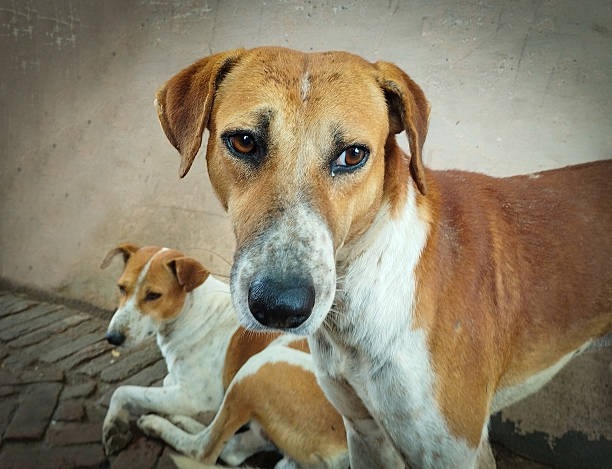

Dogs cannot tell us when they are feeling unwell, so learning to recognise changes in their health is extremely important. Warning signs may include:
Loss of appetite, unusual weakness or tiredness, difficulty breathing, repeated vomiting or diarrhoea, difficulty walking, sudden weight loss, unusual swelling or wounds, persistent coughing, excessive scratching, changes in behaviour, or unusual drinking or urination.
If your dog appears seriously ill or injured, contact a qualified veterinarian as soon as possible. These guides are intended for general awareness and should not replace professional veterinary diagnosis or treatment.
Vaccination is an important part of responsible dog ownership. Regular veterinary care can help protect dogs from preventable diseases and identify health problems before they become more serious.
Your veterinarian can recommend an appropriate vaccination and preventive-care schedule based on your dog's age, health, lifestyle, vaccination history, environment, and risk of exposure. Preventive care may also include parasite control, routine health checks, dental care, and other measures recommended by your veterinarian.
Bringing a puppy home is exciting, but puppies need appropriate nutrition, veterinary attention, safe socialisation, training, exercise, and plenty of rest.
Give puppies food appropriate for their age and nutritional needs.
Follow the vaccination schedule recommended by your veterinarian.
Use positive and consistent training methods to help your puppy learn good habits.
Safe and positive experiences with people, environments, and other animals help puppies develop confidence.
Keep dangerous objects, toxic substances, electrical wires, and unsafe foods away from curious puppies.
Senior dogs may require more comfortable bedding, regular veterinary monitoring, appropriate nutrition, and additional support with mobility. Watch for changes in:
Millions of animals depend on communities for food, water, medical help, and protection. If you want to help a stray dog or community animal, you can:
Provide clean drinking water and offer suitable food.
Help an injured animal reach a veterinarian.
Support vaccination and sterilisation.
Provide temporary protection from extreme weather.
Contact an experienced animal rescue organisation during emergencies.
Always approach unfamiliar or frightened animals carefully — help should be safe for both of you.
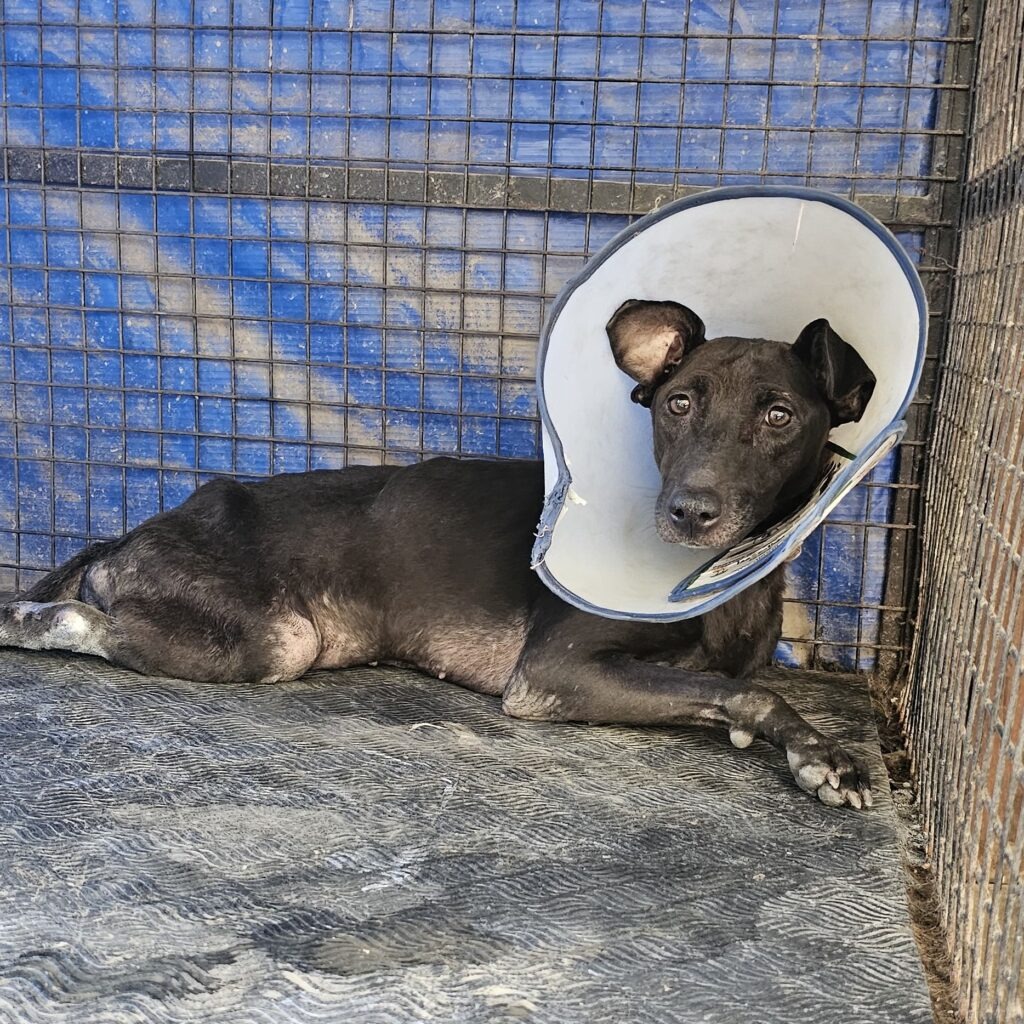
Finding an injured dog can be stressful. Here's what to do.
An injured dog may be frightened or defensive because of pain.
If it can be done safely, help prevent further injury from traffic or other hazards.
Serious injuries require professional medical attention.
Do not give painkillers or human medicines unless instructed by a qualified veterinarian.
An injured or unconscious animal may not be able to swallow safely.
The sooner a seriously injured animal receives veterinary care, the better the chances of recovery.
Keep fresh water available, provide shade and ventilation, avoid unnecessary exposure during the hottest hours, and never leave a dog inside a parked vehicle.
Provide a dry and protected resting area, keep vulnerable animals away from prolonged exposure to cold, and pay extra attention to puppies, senior dogs, and sick animals.
Provide a dry shelter, keep food and water protected from contamination, and watch for injured or stranded animals.
Regular grooming helps keep dogs comfortable and can also help you notice skin problems, wounds, parasites, lumps, or other unusual changes. Different breeds and coat types require different grooming routines.
Regular brushing and bathing when appropriate.
Nail care and ear cleaning when advised.
Dental care as part of the routine.
Checking the skin and coat for parasites or injuries.
Before bringing a dog home, ask yourself:
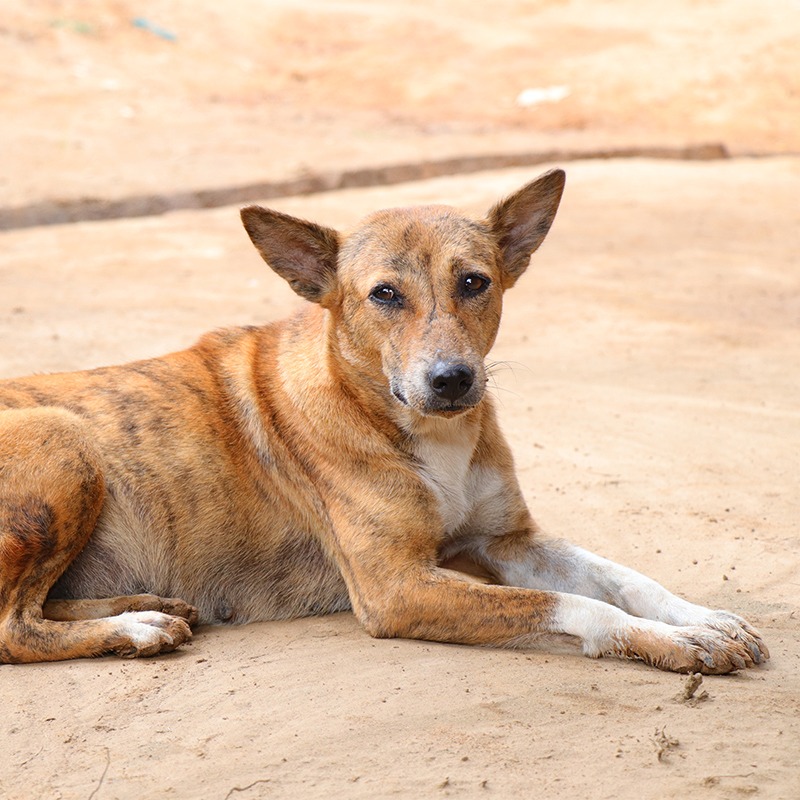
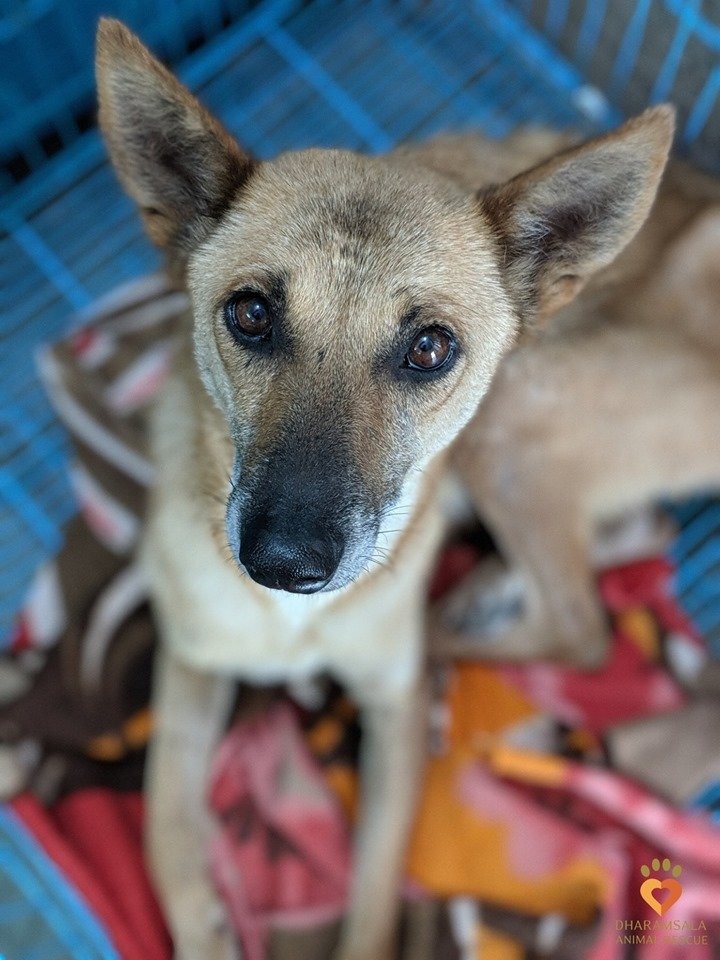
Adoption can give a homeless animal a safe home and a fresh start. Before adopting, consider the animal's personality, age, health, energy level, and the environment you can provide. Responsible adoption means being prepared to care for the animal throughout its life.
A home can change an animal's life. And very often, an animal changes the life of the person who adopts them too.
Sometimes helping means providing water. Sometimes it means arranging a meal. Sometimes it means taking an injured dog to a veterinarian. And sometimes it means simply making the call that brings professional help.
At Jeev Sahara Foundation, we work to provide animals in need with food, shelter, medical treatment, rescue, and ongoing care. Our goal is to make animal welfare easier to understand and encourage more people to take responsible action when an animal needs help.
Every day, animals in our care depend on us for food, shelter, medicines, veterinary treatment, and basic daily needs. A donation can help provide a meal, support medical treatment, purchase essential medicines, or contribute towards the everyday care of animals who have nowhere else to go.
The appropriate frequency depends on your dog's age, health, vaccination status, and individual needs. Regular veterinary check-ups are an important part of preventive care.
Dogs need a nutritionally balanced diet appropriate for their age, size, activity level, and health. A veterinarian can help you choose an appropriate diet for your dog.
Keep yourself safe, try to protect the animal from immediate danger if it is safe to do so, and contact a veterinarian or experienced animal rescue organisation as quickly as possible.
Do not give human medicines to your dog unless a qualified veterinarian specifically instructs you to do so. Some medicines that are safe for humans can be dangerous or even life-threatening to animals.
You can provide clean water, suitable food, support vaccination and sterilisation, help injured animals receive veterinary care, and contact animal welfare organisations when professional assistance is needed.
Explore our pet care guides, share useful information with other animal lovers, and help create a community where animals are treated with compassion and responsibility.
Our veterinary team is happy to help with your dog care questions, big or small.